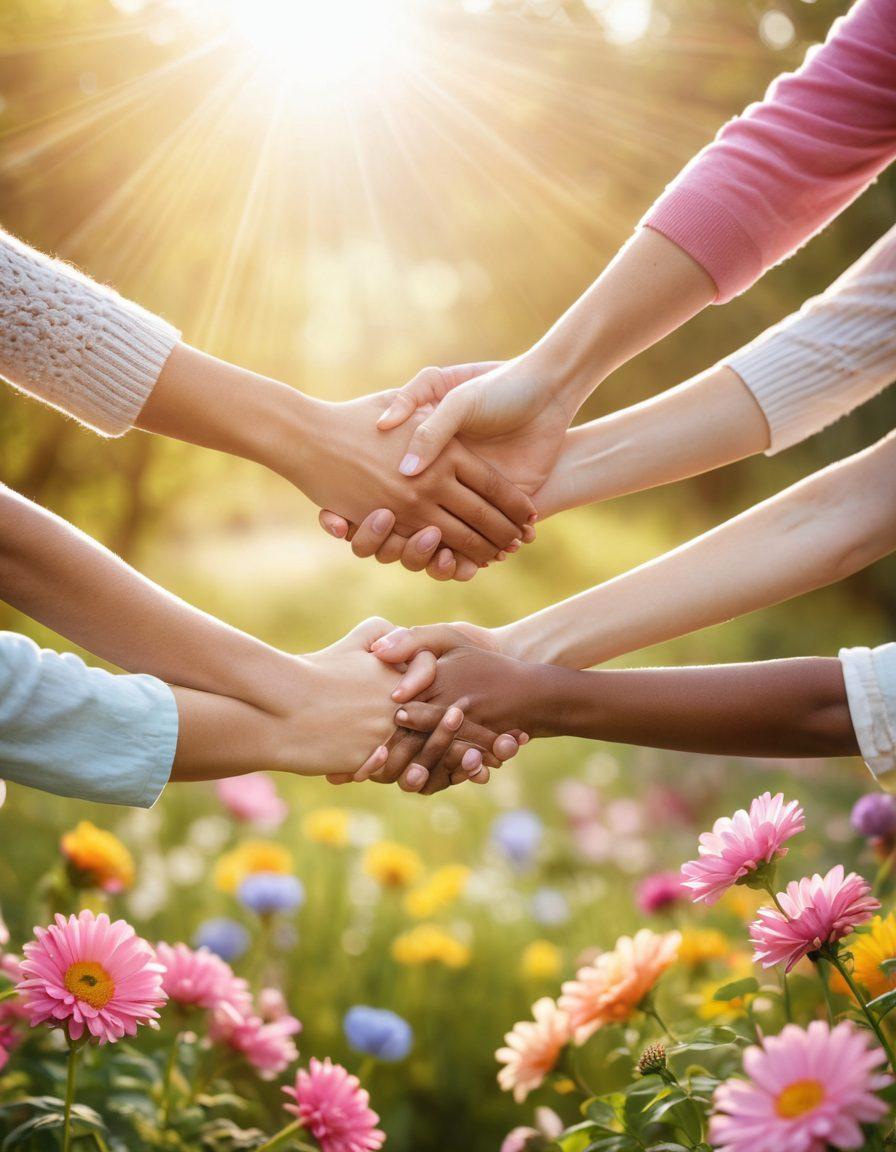
Navigating the Cancer Journey: Empowering Patients with Knowledge, Support, and Wellness Strategies
When faced with a cancer diagnosis, the path can feel daunting and uncertain. Yet within this chaos lies an opportunity for empowerment. Knowledge is not just power; it is a lifeline. By unlocking vital information about your condition, treatment options, and available support, you embark on a journey towards healing—a journey where wellness and hope can coexist with illness. With advances in oncology continuously emerging, understanding your diagnosis—whether it’s a malignancy like carcinoma or a specific tumor type—can pave the way to informed decision-making, thus enhancing your overall health and wellness experience.
Imagine standing at a crossroads, armed with maps and tools to navigate uncharted waters. What if we told you that exploring options in cancer research and treatment could give you that same sense of control? Engaging with patient support groups not only provides a network of understanding individuals; it can also introduce you to cutting-edge clinical trials and medical advances, potentially offering you access to the latest therapies. The power of information can help demystify your journey, revealing pathways that were previously obscured. So why not ask yourself—what treatment options are available, and how can I advocate for myself through education?
Cancer education is one of the most potent weapons you have. From understanding preventive measures to learning about integrative approaches like naturopathy, each piece of knowledge can contribute to your survivorship. It’s important to recognize that lifestyle changes, such as adopting a diet linked to cancer prevention and incorporating exercise into your routine, can significantly impact your prognosis and overall health. Ask yourself: What small changes can I start making today to live healthier? Every step taken is a step toward empowerment and resilience.
Holistic health approaches are becoming increasingly recognized in oncology, merging alternative therapies with traditional treatment. This integrated philosophy emphasizes the mind-body connection and celebrates the power of healing through healthy living. Whether you’re considering yoga, meditation, or dietary adjustments specific to your condition, it’s essential to explore these options. Don’t shy away from asking your healthcare provider about potential complementary therapies during your treatment plan. Remember, your journey with cancer can be more than just surviving; it can be about thriving.
As you move through your cancer journey, remember the words of one survivor: 'Knowledge brought me from the shadows to the light, transforming my fear into action and my confusion into clarity.' By embracing cancer awareness and becoming an active participant in your healthcare decisions, you pave the way for hope and health. You have the ability to create a lifestyle filled with wellness strategies that cater to your personal needs and preferences. So together, let’s open the door to this treasure trove of knowledge and support, unlocking a brighter future amid the complexities of cancer.
Building a Supportive Network: The Key to Thriving During Cancer Treatment
Navigating through a cancer diagnosis can feel like standing at the edge of a vast, uncertain ocean. Each wave crashing against your resolve asks the same unsettling question: How will I get through this? This is where the power of a supportive network becomes not just beneficial, but essential. Establishing a web of connection—friends, family, healthcare professionals, and fellow patients—can significantly enhance your experience navigating the malignancy, whether it be carcinoma, sarcoma, or another type of tumor. In fact, a strong support system often provides the lifeboat that can buoy you through the stormy waters of treatment options and side effects.
In the realm of oncology, it’s not uncommon for patients to feel isolated amid a whirlwind of medical jargon and clinical trials. But what if I told you that reaching out to the right people can help ground you? Imagine sitting in a support group where everyone shares their experiences with treatment—some discuss their battles with nausea from chemotherapy, while others share success stories in using alternative therapies. These narratives can be powerful. As the remarkable author Maya Angelou once said, “There is no greater agony than bearing an untold story inside you.” Sharing your stories can lighten the load, providing a sense of belonging and understanding in the chaos.
Beyond emotional support, being part of a community can also lead to better health outcomes. Research shows that patients who engage in support groups report not just improved mental health, but also more effective management of symptoms related to treatment. What’s more, these networks often become incubators for valuable cancer education—sharing insights on lifestyle changes, diet and cancer, and preventive measures can arm you with actionable strategies for your health and wellness. Have you ever considered how a small change in diet or a structured exercise routine could illuminate your path to survivorship?
Engaging with your support network can introduce you to new resources, such as information about medical advances and discoveries in cancer research. This could lead to knowledge about the latest clinical trials that might be suitable for your disease type. The world of healthcare is quickly evolving, with many resources focused on holistic health approaches and naturopathy. This growing body of knowledge encourages patients to turn to alternative therapies, empowering them to make informed decisions about their journey. It’s as if the universe conspires to reveal answers when you surround yourself with the right people.
Ultimately, building a supportive network is like weaving a safety net—a space where you can express fears, seek advice, and celebrate small victories, all while gaining insight into the realities of living with cancer. This community not only emboldens you against the challenges posed by the illness itself but also reinforces the message that you are not alone. So ask yourself, how can you cultivate your own supportive network today? Whether you find solace in online forums, participate in local support groups, or just reach out to a friend, remember that each step taken can be a leap towards better health and a more empowered self through this journey.
Integrating Wellness: Effective Strategies for Health and Living Well with Cancer
When confronted with a cancer diagnosis, it often feels like your world has been turned upside down. You grapple with emotions, countless questions flood your mind, and in the midst of it all, you’re tasked with the logistics of treatment options. But amidst the darkness, there is light. By integrating wellness into your journey, you can reclaim a sense of agency and strength. From supportive communities to physical wellbeing, focusing on holistic health can make all the difference in navigating your path with cancer. After all, as the saying goes, "It's not only about surviving, but thriving!"
The integration of wellness involves an understanding that cancer affects not only the body but also the mind and spirit. A proactive approach to your health is essential, emphasizing lifestyle changes that feel manageable rather than overwhelming. Simple yet effective strategies, such as adopting a nutritious diet or incorporating regular exercise, can positively impact your overall wellbeing. Research shows that certain diets can play a role in combating carcinoma and enhance treatment effectiveness. How can you make small, realistic changes in your eating habits to improve your health? Perhaps starting with an abundance of fruits and vegetables or trying out anti-inflammatory foods could be your first step towards a healthier lifestyle.
Another crucial aspect of becoming an empowered patient lies in the realm of education. Understanding malignancies and engaging with your healthcare team can unveil the medical advances and innovative treatment options available to you. Have you ever participated in a cancer education seminar or discussion group? These settings not only provide invaluable knowledge but also foster an environment of support, where you gain insights from fellow patients and caretakers. Education about alternative therapies, clinical trials, and preventive measures can illuminate pathways you might not have otherwise considered.
While navigating this complex journey, patient support is indispensable. Just like a lighthouse guiding ships lost at sea, support groups offer a safe harbor for sharing experiences and emotions. With continuous cancer research shedding light on survivorship, it becomes clear that having a solid support system in place can significantly alleviate stress. Have you reached out to a group yet? Remember, you are not alone; your experience can resonate with others and create a powerful communal bond that fosters healing.
In closing, the path to wellness when living with cancer is not merely a journey of treatment but a holistic endeavor that embraces the mind, body, and spirit. With an array of resources, including naturopathy and supportive therapies, the key is to create a lifestyle that resonates with you personally. Stay informed, seek support, and make those impactful lifestyle changes that align with your values and vision for health. An empowered patient can transform fear into strength, allowing each day to be a vibrant testament to resilience and hope. Are you ready to take those steps?